
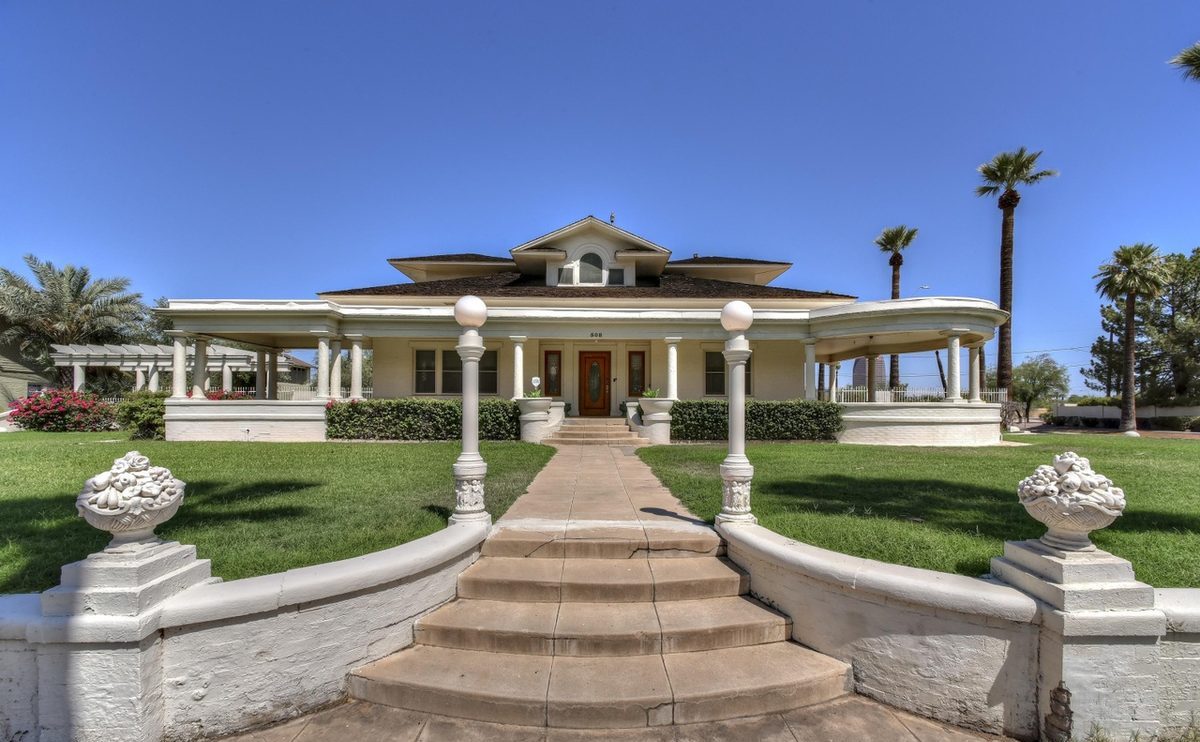
Some neighborhoods you drive through. Roosevelt, you slow down for.
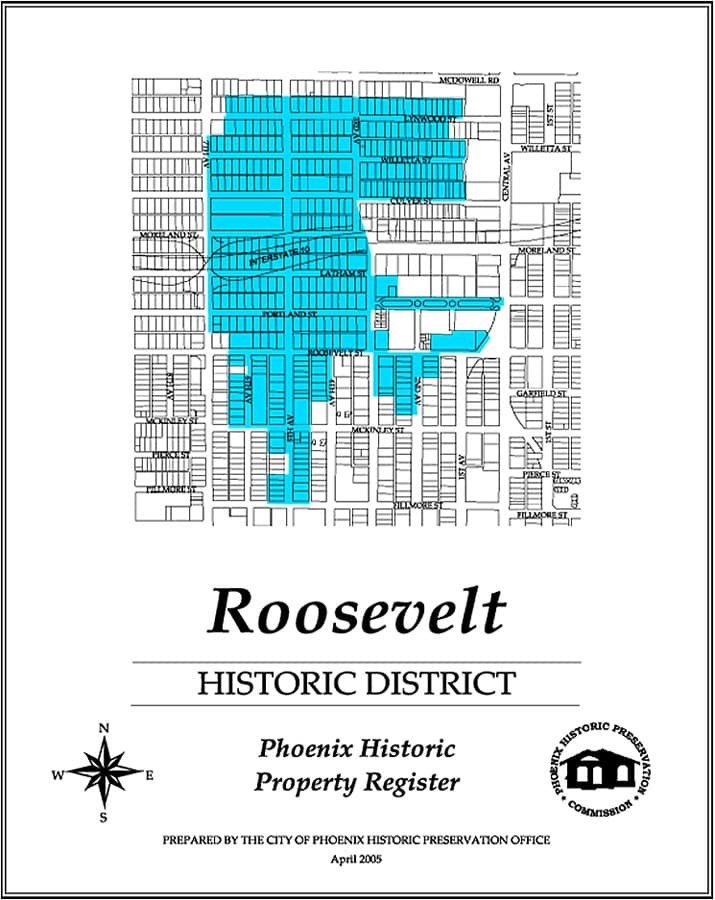
Deep front porches, old shade trees, brick and bungalow lines that have watched the city grow up around them. This is the first historic district Phoenix ever designated, and more than a century later it still sets the tone for what a downtown neighborhood can feel like.
The storyBorn of a flood, saved by its people
Roosevelt exists, in part, because of a flood. When the Salt River overran its banks in the 1890s, families moved to higher ground north of the original townsite, and the land that became Roosevelt began to fill in. The new Phoenix streetcar line and Central Avenue did the rest. This was one of the city's first streetcar suburbs, which is why the lots run narrow and deep and the homes sit close and friendly to the street.
That same flooding problem was later solved by Theodore Roosevelt Dam, completed in 1911 after Valley landowners organized as the Salt River Valley Water Users' Association and pledged their own land as collateral to help fund it. In exchange, those original landowners became water shareholders in what is now Salt River Project, a status tied to the land itself that still carries a real benefit today: eligible homes within the Salt River Reservoir District can apply each year for SRP's Shareholder Compensation Program.
Its golden years ran from the 1900s into the 1930s. Bungalows lined the blocks, doctors and lawyers and future governors built here, and children walked to Kenilworth School, which opened in 1920. Winter visitors poured in for the dry desert air, the Westward Ho rose downtown to house them, and tree-lined parkways gave the district a City Beautiful elegance it still carries today.
Then the freeways came. Mid-century highway plans threatened to cut straight through, banks grew reluctant to lend, and as those plans played out more than 3,000 historic homes across central Phoenix were lost, whole streets erased. Roosevelt survived because people refused to let it go. In 1983 it was placed on the National Register of Historic Places, preservation zoning followed, and by the 1990s artists were turning empty buildings into the galleries that became Roosevelt Row. The first First Friday art walk in 1994 lit the fuse on the downtown revival you see now, and light rail returned in 2008, reconnecting the neighborhood to its streetcar roots. Valley Metro's line runs along Central Avenue on the eastern edge of the district, with its own Roosevelt/Central Avenue station, linking Roosevelt straight up through Midtown and Uptown Phoenix and straight down into the heart of downtown without a car. Old bones, brand-new heartbeat.
Cities need old buildings so badly it is probably impossible for vigorous streets and districts to grow without them. Old ideas can sometimes use new buildings, new ideas must use old buildings.
Jane Jacobs
The Death and Life of Great American Cities
The homesBungalow country
The California Bungalow leads the streetscape, with finely detailed Craftsman homes and a wide range of Period Revival styles beside them. Every block reads a little differently, which is exactly the opposite of a modern tract.
- California BungalowThe signature. Low, wide, welcoming.
- CraftsmanNatural materials, real workmanship.
- Mission & Spanish Colonial RevivalArches, stucco, warm romance.
- Italian Villa & PrairieThe rarer beauties on the block.
The porch. Wide, shaded, and built for slow evenings and knowing your neighbors. In Roosevelt, the front porch is not decoration. It is where the neighborhood actually happens.
The lifeA hundred-year-old porch, a First Friday art walk
Roosevelt sits right against the Roosevelt Row Arts District, the walkable heart of downtown known for its murals, galleries, live music, and the First Friday art walk that fills the streets each month. You can live in a century-old bungalow and walk to a gallery opening the same night.
A few neighbors worth knowing:
- Cibo. Wood-fired pizza and espresso in a restored 1913 bungalow, exactly the kind of old-building reuse that keeps this district alive.
- The Vig. An easy local gathering spot with a shaded patio, good any night of the week.
- Crescent Ballroom. Live music, a great bar, and some of the best late-night food downtown.
- Roosevelt Row Arts District. The murals and makers themselves, best seen on foot on a First Friday.
That mix of old bones and new energy is the whole appeal. It is a neighborhood, not a museum, and it is very much awake.
Why it lastsCharacter this good is protected on purpose
Roosevelt's feel is not luck. It was championed and fought for, and it still is. I serve as Secretary on the board of the Phoenix Historic Neighborhoods Coalition, a nonprofit that represents the people of Phoenix's 35 historic districts and works to preserve the buildings and places that give this city its sense of self.
The Coalition treats preservation as an economic engine, not a relic under glass, and I could not agree more. A protected neighborhood holds its character, and its character holds its value.
See the districts for yourself
The Coalition created a self-guided Driving Tour Map that points you to all 35 historic neighborhoods and explains the architectural styles you will spot along the way. More than 85,000 free copies are out in the world, and it is one of the best ways to fall for historic Phoenix.
The twistNew homes, old soul
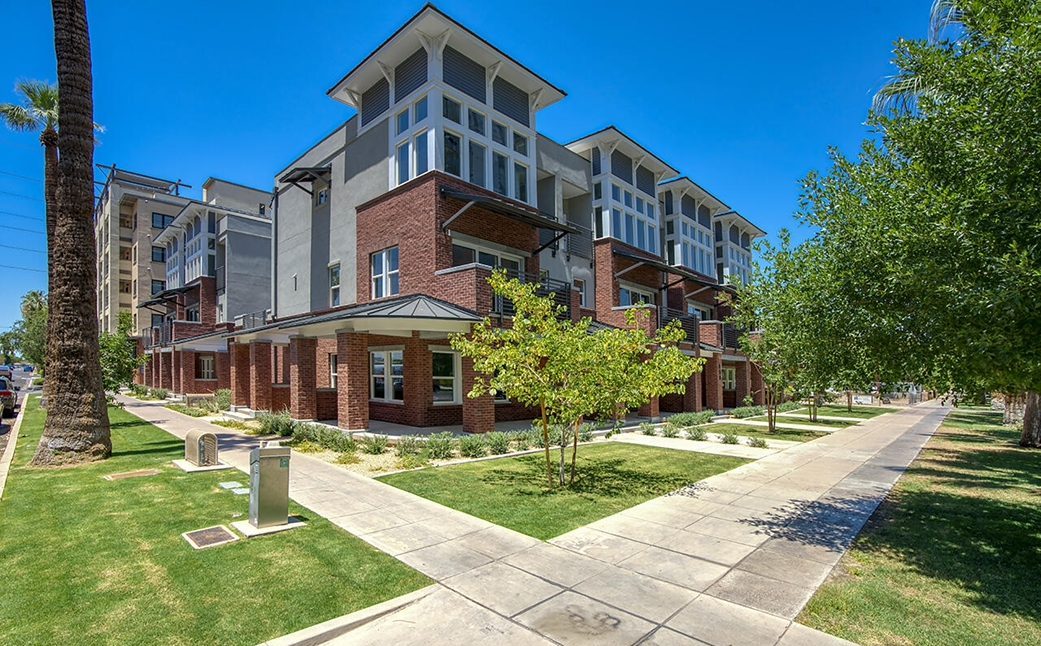
Here is what people miss. Roosevelt has always made room for new construction, as long as it respects what came before. The district today includes thoughtful infill built to match its historic character.
Done right, you can barely tell where the century-old street ends and the new home begins. Same porch line. Same proportions. A home that belongs on the block from day one. If that is the kind of home you are after, ask me. I usually know what is coming before it hits the market.
Your guideLet's find yours

Over 22 years in Arizona real estate, specializing in historic Phoenix and serving buyers and sellers valleywide, a decade in title and escrow before that, and a seat on the board that fights to keep these neighborhoods standing. I do not see houses as inventory. I see them as architectural art, and my job is helping you find the one that feels like you.
Thinking about Roosevelt?
Whether you are buying your first bungalow, selling a home with a story, or just curious what a place here is worth today, I would love to walk you through it.
Brokers Hub Realty · Downtown Phoenix
602-644-0852 · azrealestategotogirl.com
Fall in love with Home.