
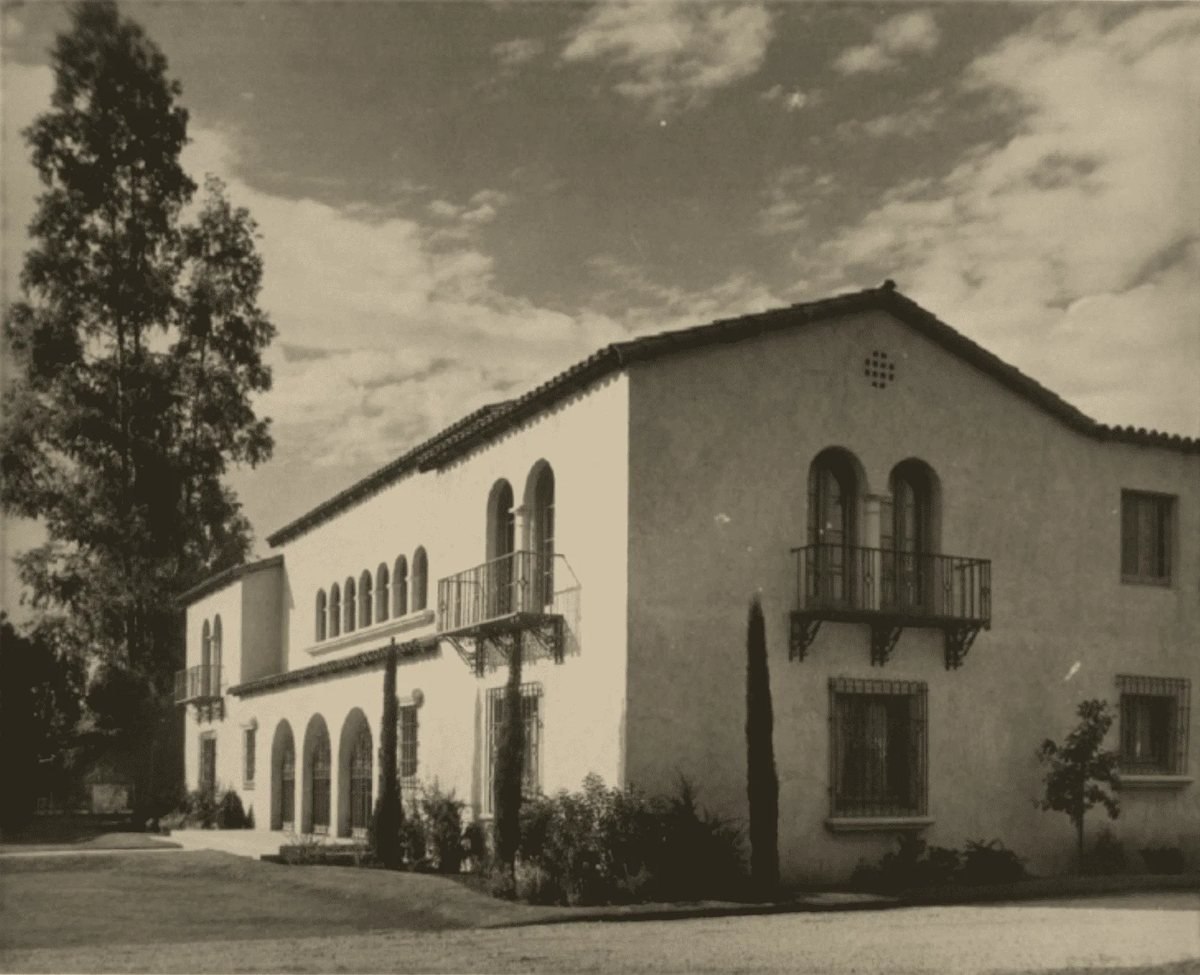
Before Central Avenue was a skyline, it was a carriage drive lined with palms. Alvarado is what remains of that first grand idea for Phoenix.
Tucked just off Central between the Heard Museum and the Phoenix Art Museum, Alvarado is one of the smallest and most distinguished historic districts in the city, a short, leafy run of estate homes built for the people who were building Phoenix itself.
The storyBorn of one man's vision for Phoenix
Alvarado traces back to Dwight B. Heard, the cattleman, publisher, and land developer who did as much as anyone to shape early Phoenix. Heard arrived in 1895, invested heavily in land and agriculture, served as a county water commissioner after the 1902 Reclamation Act, and helped lay the groundwork for Roosevelt Dam, completed in 1911. He also published the Arizona Republican, the paper that became the Arizona Republic.
In 1909, Heard divided a 160-acre estate north of town into large parcels and planted hundreds of palm trees along the drives. He called it Los Olivos, and he aimed it squarely at the city's elite, estate lots for grand homes. Those palm-lined streets became the bones of the Alvarado neighborhood.
The homes themselves came mostly in the 1920s. According to the National Register, about 75 percent of the district was built between 1924 and 1932, as Phoenix's leading families built along Alvarado Road and Monte Vista Road. The City of Phoenix listed Alvarado on its Historic Property Register in September 1992, protecting the compact district you see today between Hoover Avenue and Palm Lane.
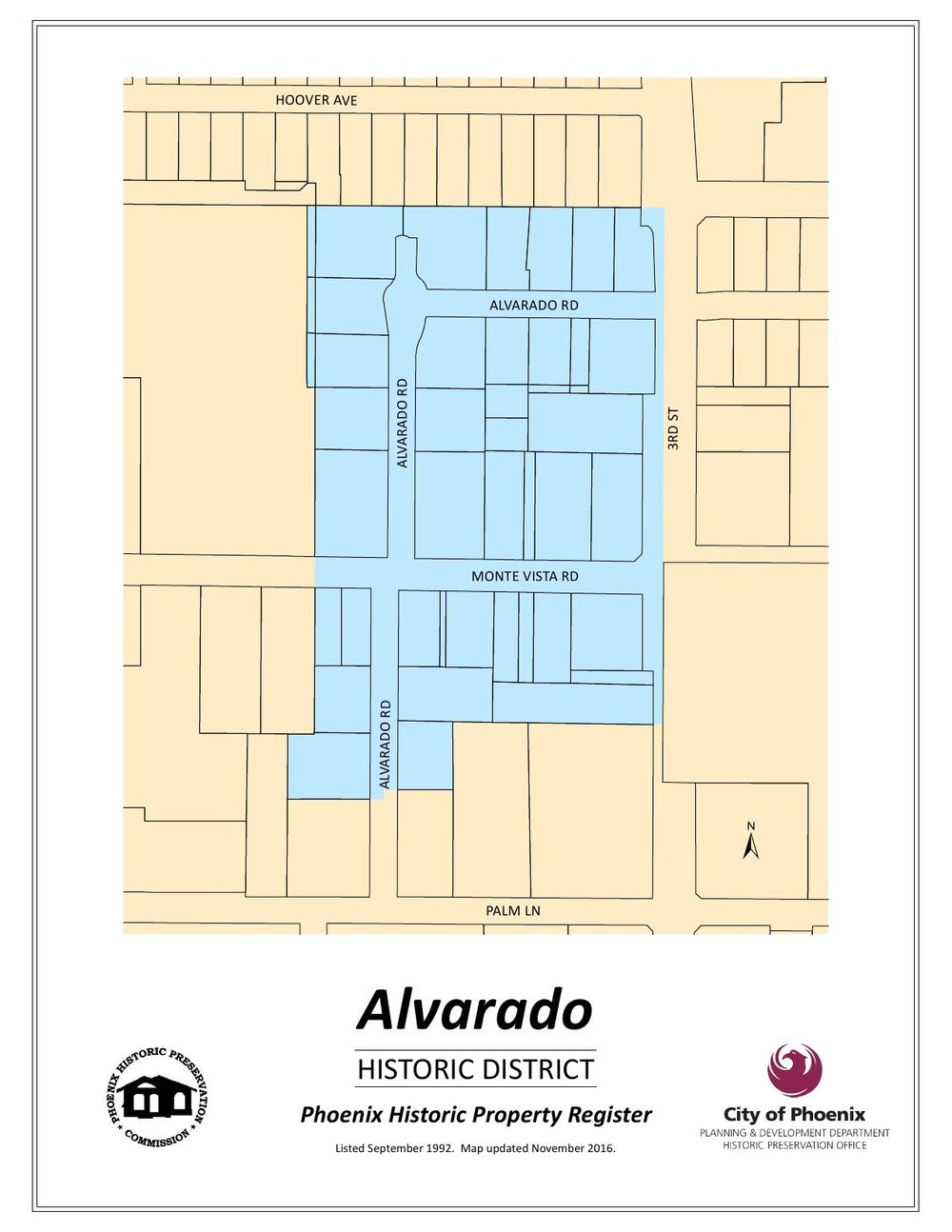
Heard planted the palms first. The mansions came to meet them.
Alvarado Historic District, Central Phoenix
The homesEstate houses, designed to impress
Alvarado was built for Phoenix's upper crust, and the architecture shows it. These are substantial, architect-designed homes in the revival styles that defined the 1920s and 1930s, Mission and Spanish Colonial Revival, Colonial Revival, Tudor Revival, and some finely detailed Craftsman bungalows. Stucco and red tile, brick and slate, arched loggias and formal entries.
The names behind them were the leading builders and architects of the day. The district's record credits C. Lewis Kelley among its builders, and one 1930 Tudor Revival home was built by Carter W. Gibbes to designs by architect Neil Gates. These were showcase houses, built to last and built to be seen.
- Spanish & Mission RevivalStucco, red tile, arched loggias.
- Colonial RevivalSymmetry and formal entries.
- Tudor RevivalBrick, steep gables, storybook lines.
- Craftsman BungalowThe finely built smaller homes.
The palms. Heard's original plantings tower over the street a century later, giving Alvarado a canopy and a sense of arrival that no new subdivision can manufacture.
The peopleCasa Blanca and the city's elite
The cornerstone of it all was Dwight Heard's own home. Around 1903 he and his wife, Maie Bartlett Heard, built Casa Blanca, a sprawling 6,000-square-foot Spanish Colonial Revival mansion near Central and Monte Vista. White-walled and red-roofed, framed by Heard's own palms, it became the social heart of a young Phoenix, a gathering place for the artists, politicians, and dignitaries passing through the territory and the new state.
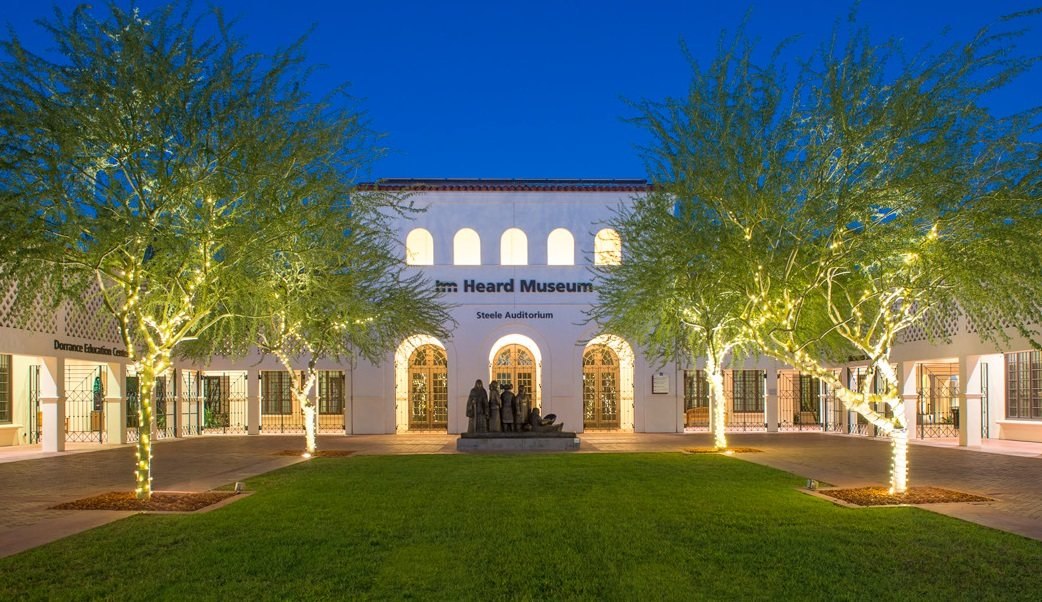
Inside, the Heards filled Casa Blanca with the collection of Native American art they had gathered over decades. It grew so large that it outgrew the house, and so the couple designed and built a museum nearby to hold it. The Heard Museum opened in December 1929, just nine months after Dwight's death, and Maie carried it for decades more. Today it is one of the most respected museums of Native American art in the world, a short walk from the district's edge, and the clearest piece of the Heards' legacy still standing.
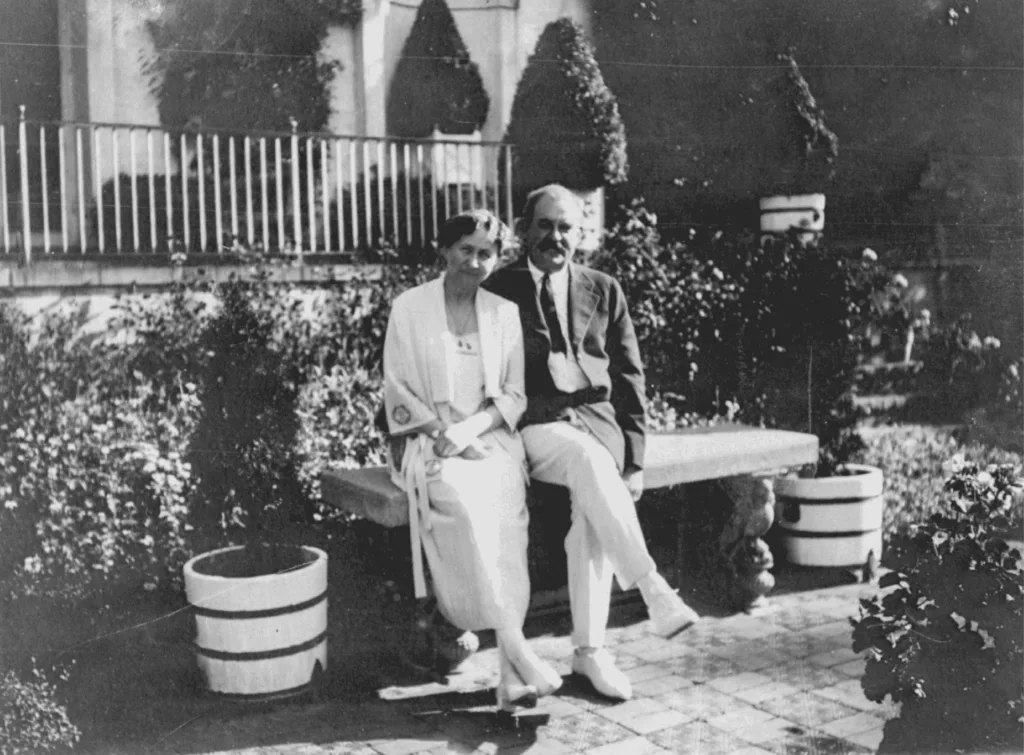
The homes that followed along Alvarado and Monte Vista were built for the community's elite, the bankers, builders, and business leaders of the era. To live in Alvarado was to have arrived.
The landmarkThe Lester DeMund House
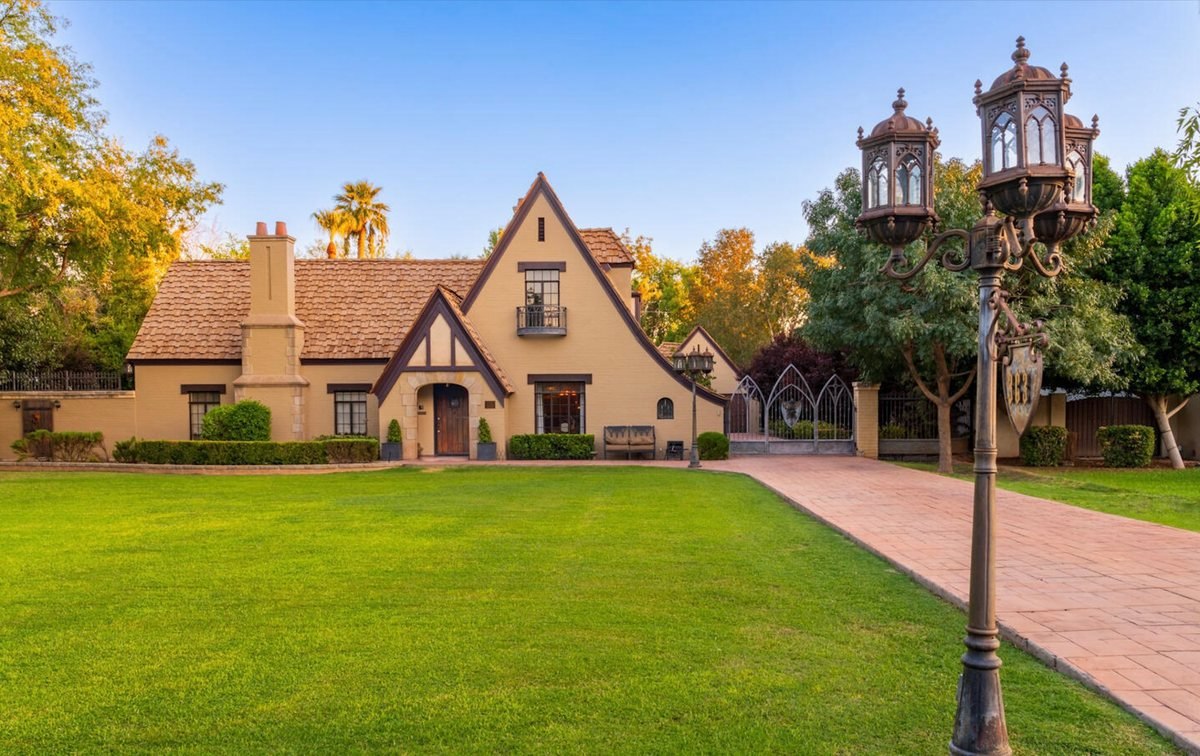
No home captures the neighborhood's storybook character better than the Lester DeMund House at 363 East Monte Vista Road. Built around 1927 to 1930 in Heard's Los Olivos resubdivision just east of the Alvarado district, it is a prime local example of Storybook Tudor design, all steep gables, a soaring entry, brick and stucco, and an ornate iron lamp standing guard at the drive. The City of Phoenix added it to its Historic Property Register as an individually designated landmark in September 1986.
It is a time capsule inside as much as out, preserving soaring wood-beamed ceilings, solid mahogany doors and paneling, original terrazzo floors, an antique cast-iron sink, and the original green ceramic tile in the primary bath. The house stands as a showpiece of the craftsmanship and materials that defined central Phoenix's great building era, roughly 1912 to 1950.
The valueA rare address, a range of ways in
Alvarado is small and exclusive, so its historic houses command it. The grand single-family homes have sold anywhere from the mid-$300,000s up toward $1.7 million depending on size and restoration, with a median single-family sale around $750,000. But the wider pocket also holds historic condos and townhomes, from the mid-$100,000s into the $700,000s, which makes this prestigious stretch of Central more attainable than it looks from the street.
Prices move, and inventory here is thin, so for what is actually available right now, just ask me.
The lifePhoenix's cultural spine, out your front door
Few Phoenix neighborhoods are better placed. Alvarado sits right on the Central Avenue cultural corridor. The Heard Museum is essentially next door, the Phoenix Art Museum and the Burton Barr Central Library are minutes away, and Monterey Park and Townsend Park give you green space close by. The Valley Metro light rail A Line runs right along Central, so downtown, midtown, and Tempe are an easy ride without a car.
For dining, the corridor delivers, from the classic steakhouse Durant's to Forno 301, Green, and more. It is one of the most genuinely walkable and connected addresses in historic Phoenix.
Why it lastsA small district, fiercely protected
Alvarado endures because it was recognized early and guarded closely. As one of the city's designated historic districts, its character is protected, and that protection is exactly the work I care about. I serve as Secretary on the board of the Phoenix Historic Neighborhoods Coalition, a nonprofit that represents the people of Phoenix's 35 historic districts.
The Coalition treats preservation as an economic engine, not a relic under glass. Protect the character, and the value follows.
See the districts for yourself
The Coalition created a self-guided Driving Tour Map that points you to all 35 historic neighborhoods and explains the architectural styles you will spot along the way. More than 85,000 free copies are out in the world, and it is one of the best ways to fall for historic Phoenix.
Your guideLet's find yours

Over 22 years in Arizona real estate, specializing in historic Phoenix and serving buyers and sellers valleywide, a decade in title and escrow before that, and a seat on the board that fights to keep these neighborhoods standing. I do not see houses as inventory. I see them as architectural art, and my job is helping you find the one that feels like you.
Thinking about Alvarado?
Whether you are buying a historic estate, selling one with a story, or just curious what a place here is worth today, I would love to walk you through it.
Brokers Hub Realty · Downtown Phoenix
602-644-0852 · azrealestategotogirl.com
Fall in love with Home.